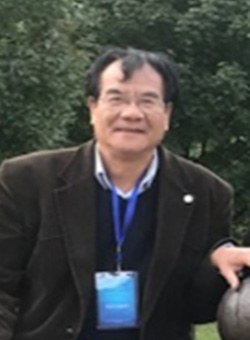
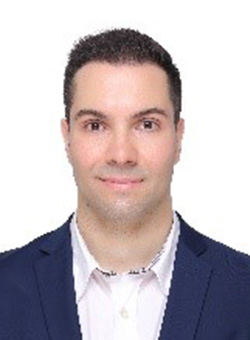
Keynote Speakers
May 2026 (Suzhou)
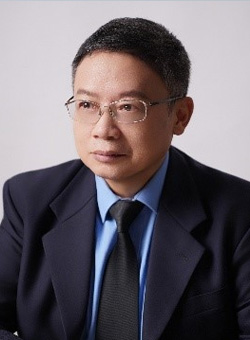
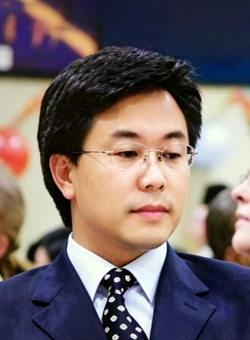
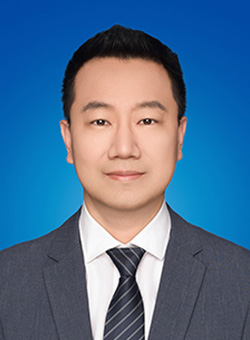
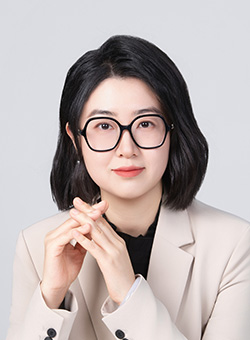
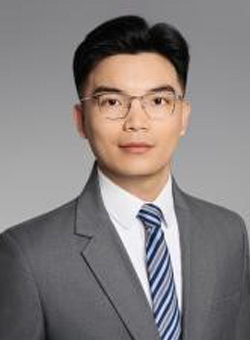
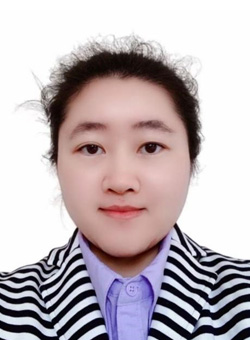
  • Dr. Mostafa Ghasemi Baboli, Professor

    Yangtze Delta Region Institute (Huzhou), University of Electronic Science and Technology of China, Huzhou, China

    Topic: From Waste Treatment to Renewable Energy Production: A Next-generation Microbial Fuel Cell Concept

    View More

    2026 13th International Conference on Energy, Environment and Earth Sciences

    May 23-25, 2026

    Microbial fuel cells (MFCs) represent a promising renewable energy technology for simultaneous wastewater treatment and electricity generation; however, their practical deployment remains limited by pH imbalance, membrane cost, and long-term operational instability. In this study, a comprehensive comparative evaluation of cation exchange membranes (CEMs) and anion exchange membranes (AEMs) is conducted to elucidate their roles in governing electrochemical performance, stability, and bioelectrochemical functionality of MFCs. A low-cost PTFE-based AEM is benchmarked against the widely used Nafion 117 membrane under identical operating conditions using real palm oil mill effluent (POME) as the substrate. The results demonstrate that AEM-based MFCs exhibit superior power density, reduced charge transfer resistance, and significantly enhanced long-term stability over extended operation exceeding 600 h. These improvements are attributed to efficient OH? transport, which enables intrinsic pH self-regulation at both electrodes, mitigates anode acidification, and promotes favorable conditions for oxygen reduction at the cathode. In contrast, CEM-based systems suffer from pronounced pH gradients and performance decay. Beyond material comparison, this work highlights a paradigm shift in MFC design, positioning membranes as active electrochemical regulators rather than passive separators. The findings provide critical insights into membrane-driven control of microbial and electrochemical processes and establish AEM-enabled MFCs as a next-generation platform for stable and scalable renewable energy recovery from wastewater.

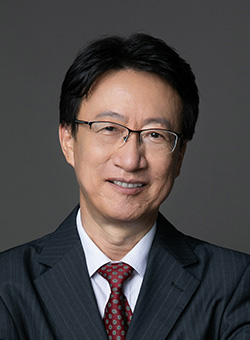
    Dr. Mostafa Ghasemi Baboli is a distinguished Professor of Chemical Engineering at the University of Electronic Science and Technology of China (UESTC), Yangtze River Delta Institute, Huzhou. He has been continuously recognized among the world’s top 2% of scientists by Stanford University since 2020, reflecting his sustained global research impact. In 2024, he was also selected as a Provincial Talent of Zhejiang Province, highlighting his contribution to scientific innovation and regional development in China. Professor Ghasemi is internationally recognized for his pioneering research in sustainable wastewater treatment, renewable energy systems, and advanced membrane science. His work focuses on developing energy-efficient, low-carbon technologies at the water–energy nexus, with particular emphasis on microbial fuel cells (MFCs), forward osmosis (FO), and nanocomposite membranes. His innovative research on hybrid MFC–FO systems and carbon nanotube-enhanced membranes has advanced the field of energy-positive water purification and desalination, improving efficiency, fouling resistance, and resource recovery. Before joining UESTC, Professor Ghasemi served as an Associate Professor at Sohar University, Oman, for five years, where he played an active role in academic leadership and interdisciplinary research. Earlier, he held academic appointments at Universiti Teknologi PETRONAS (UTP) as an Assistant Professor and at the National University of Malaysia (UKM) as a Senior Lecturer and Research Fellow. Professor Ghasemi has published extensively in high-impact international journals such as Energy, Renewable Energy and Desalination, and has co-authored influential studies on the intelligent optimization of bioelectrochemical systems, integrating artificial intelligence, computational modeling, and experimental validation. His research vision centers on circular water–energy systems, resource recovery, and climate-responsive technologies, positioning him as a leading figure in sustainable process engineering.

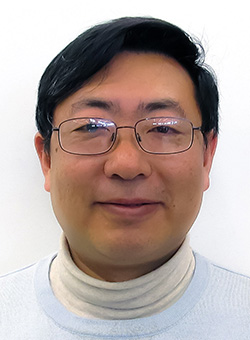
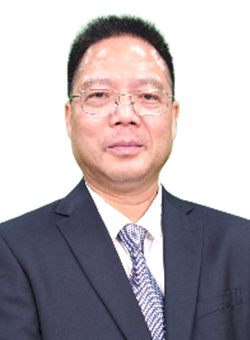
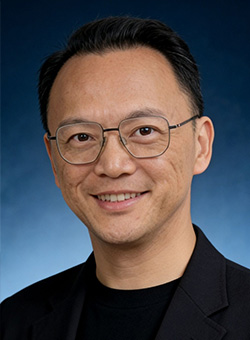
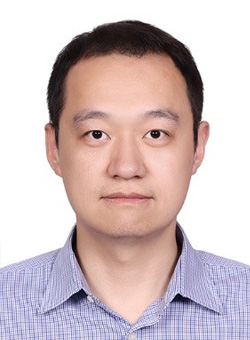
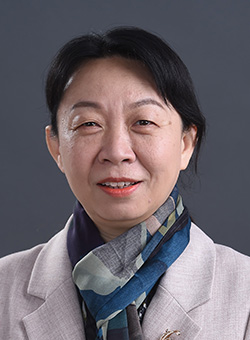
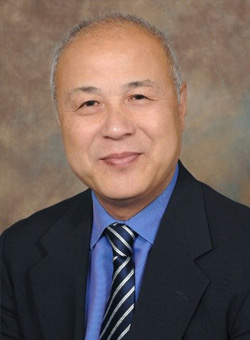
  • Dr. Xiaoyang Qi, Professor

    Department of Internal Medicine, College of Medicine, University of Cincinnati, Cincinnati, USA

    Topic: Cancer Immunotherapy: Impeding Hsp70–TLR2 Axis for MerTK downregulation

    View More

    2026 13th International Conference on Biology and Life Sciences

    May 23-25, 2026

    Despite significant advancements in cancer treatment, a major challenge remains in overcoming the immunosuppressive tumor microenvironment (TME) that hinders effective anti-tumor immunity. Immunosuppressive M2 macrophages (MΦs) in the TME facilitate escape from immune surveillance and promote tumor growth. One key player in this suppression is MerTK (Myeloid-epithelial-reproductive tyrosine kinase), which promotes tumor immune evasion through various mechanisms. This study investigates a novel therapeutic approach centered on interrupting the interaction between cancer-secreted heat shock protein 70 (Hsp70) and Toll-like receptor 2 (TLR2) to downregulate MerTK expression and reverse immune tolerance. Hsp70, often found on the surface of tumor cells, engages with TLR2 on immune cells, initiating signaling cascades that ultimately lead to increased MerTK expression and the promotion of a pro-tumoral phenotype. By employing specific lipid vesicles (LVs) to impede the Hsp70–TLR2 axis, we hypothesized that the downstream signaling can be interrupted, thereby reducing MerTK levels. Our findings demonstrate that sequestering of cancer-secreted Hsp70 by tumor-targeting saposin C (SapC)-based LVs to block the M2 MΦ polarization through disrupting the Hsp70-TLR2-MerTK interaction. These results suggest that targeting the Hsp70–TLR2 axis represents a novel and effective strategy for downregulating MerTK, offering a potent adjunct to existing immunotherapies and providing a potential pathway to overcome resistance in a broad range of cancers.

    Dr. Xiaoyang Qi is a professor in the Division of Hematology-Oncology in the Department of Internal Medicine at the University of Cincinnati College of Medicine. The laboratory of Dr. Qi focuses on cell membrane phospholipids and proteins as specific therapeutic targets and diagnostic biomarkers for cancer and genetic diseases. His research is focused on developing a new saposin C (SapC) coupled dioleoylphosphatidylserine (DOPS) nanovesicle which has the potential to offer a targeted, potent, broad, and safe therapeutic agent for cancer patients.

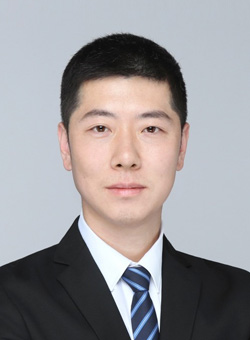
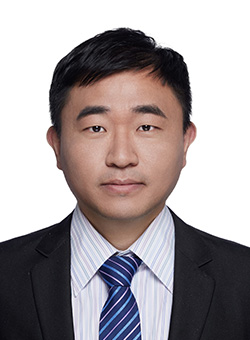
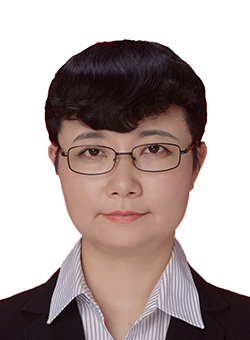
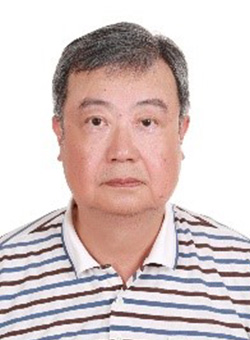
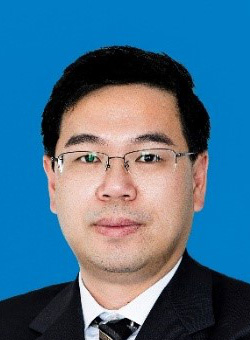
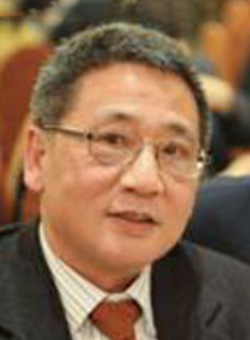
  • Dr. Hang Li, Associate Professor

    Department of Biomedical Engineering, Jinan University, Guangzhou, China

    Topic: Advancing Multifunctional Hydrogels for Wound Management: Innovative Chitosan-Based Platforms

    View More

    2026 13th International Conference on Biology and Life Sciences

    May 23-25, 2026

    Wounds pose significant clinical challenges, requiring advanced dressings that integrate antibacterial activity, rapid hemostasis, robust tissue adhesion, enhanced mechanical properties, and promotion of tissue regeneration. This keynote presentation reviews recent developments in multifunctional hydrogels based on chitosan and carboxymethyl chitosan (CMC), highlighting three tailored platforms that address these multifaceted demands. The first system, a DCMC-OHA-PCMC hydrogel incorporating protamine-grafted CMC, catechol-modified CMC, and oxidized hyaluronic acid, demonstrates sustained antibacterial efficacy (>76% against E. coli and S. aureus over 5 days), superior adhesion and hemostasis driven by charged interactions, and accelerated in vivo wound healing, including enhanced collagen deposition, epidermal regeneration, and closure. The second, a one-pot PEG-CMC-THB-PRTM hydrogel formed via dynamic Schiff base crosslinking, offers excellent mechanical strength, controlled release of protamine for antibacterial and hemostatic effects, and promoted extracellular matrix remodeling in full-thickness wound models. The third, a CS-PEG-hydrocaffeic acid hybrid, achieves four-fold mechanical improvement, enhanced mucoadhesiveness, rapid hemostasis in visceral models (liver bleeding model), and significantly accelerated skin re-epithelialization with thickened epidermis within 14 days. These versatile polysaccharide-based hydrogels exemplify how strategic chemical modifications can yield comprehensive solutions for both cutaneous and internal wound management, holding substantial promise for clinical translation and improved patient outcomes.

    Dr. Hang Li is currently an Associate Professor in the Department of Biomedical Engineering at Jinan University. He received his Ph.D. in Chemical and Biomolecular Engineering from the University of Akron, USA, in 2015, and subsequently conducted postdoctoral research at Lehigh University (PA, USA) and the University of California, San Francisco School of Medicine (CA, USA). Since returning to China in 2019, he has focused his research primarily on polysaccharide materials, wound healing, and tissue engineering. To date, he has authored more than 40 papers in high-impact journals such as Biomaterials, Carbohydrate Polymers, and Advanced Healthcare Materials. His research focus on functional hydrogels, antibacterial and antioxidant materials, wound repair, and regenerative medicine. He has been invited to speak or deliver keynote presentations at several international academic conferences and serves as an editorial board member for journals including PLoS ONE and Burns & Trauma, as well as a reviewer for prestigious journals such as Advanced Materials and Advanced Functional Materials.

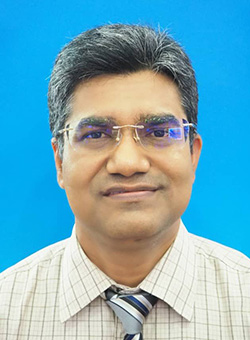
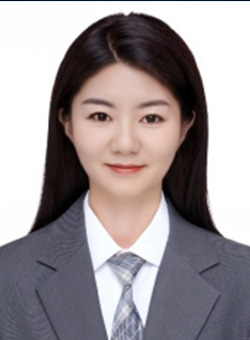
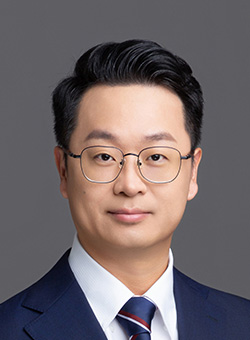
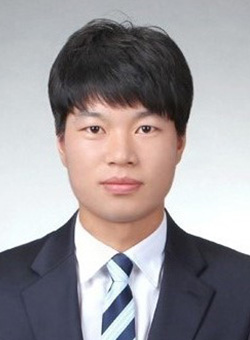
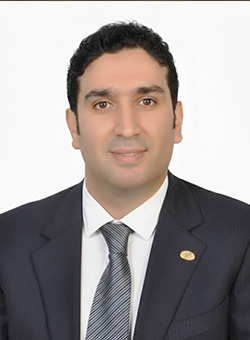
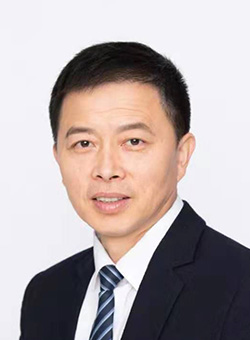
  • Dr. Tianru Jin, Professor

    Department of Physiology, University of Toronto, Toronto, Canada

    Topic: Advances in GLP 1 Research: Historical Insights, Contemporary Achievements and Future Challenges

    View More

    2026 12th International Conference on Health, Medicine and Life Sciences

    May 23-25, 2026
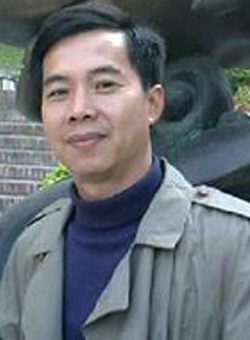
    Glucagon-like peptide-1 (GLP 1) was identified in the 1980s as the 2nd incretin, defined as gut-produced hormones which can stimulate insulin secretion from pancreatic beta-cells. The 1st GLP-1 based therapeutic agent known as exenatide (Byetta) was approved by FDA in 2005 for diabetes treatment only. Since then, more than a dozen GLP-1-based drugs have been developed and their applications are now expanded into obesity treatment and body weight management, and potential other metabolism-related disorders. Here I will provide a historical review on the discovery of this hormone, its functional studies, as well as GLP-1-based drug development during the past two decades. More importantly, I will use liver as an example, to discuss extra-pancreatic functions of GLP-1 and its based drugs, leading to their expanded applications in the future. Finally, I will present knowledge gaps in this hormone we are facing now, and my personal perspectives on future research directions.

    Dr. Tianru Jin is a Professor in University of Toronto. He received his PhD from University of Toronto in 1993. He then conducted his postdoctoral research at the Banting & Best Diabetes Centre under Professor Daniel J. Drucker. Since 1997, Dr. Jin has served at the University of Toronto as Assistant Professor, Associate Professor, and full Professor. Professor Jin served as Board Member or editor for several scientific journals. He is currently serving as Editor for Cell and Bioscience, Associate Chief-Editor for Obesity Medicine, and Founding Editor in Chief (2025–2030) for Metabolism and Diseases. His team has long term interests on exploring functions of GLP 1 and other metabolic hormones. His team introduced Wnt signaling pathway into the GLP-1 filed. Recently, the team expanded the research interest into the metabolic functions of polyphenolic compounds recently. Major fundings for his research group comes from the Canadian Institutes of Health Research (CIHR), Canadian Diabetes Association (CDA), JDRF (USA), and the Banting & Best Diabetes Centre (BBDC). Publications from Professor Jin’s group have appeared in Nature Communications, Hepatology, Molecular and Cellular Biology, Journal of Biological Chemistry, Endocrine Reviews, Endocrinology, Diabetes, Diabetologia, Oncogene, Molecular Metabolism, PLOS Biology, and others. As a co author, his work has also been published in PNAS, Gastroenterology, Cell Reports, Science Immunology, BioMedicine, and additional journals—over 170 publications in total. From 2017 to 2022, Dr. Jin was appointed as an Overseas Distinguished Professor by Sun Yat sen University under the Ministry of Education of PR China.

  • Dr. Alex Kuo, Professor

    School of Health Information Science, University of Victoria, Victoria, Canada

    Topic: AI in Big Data Analytic for Healthcare

    View More

    2026 12th International Conference on Health, Medicine and Life Sciences

    May 23-25, 2026
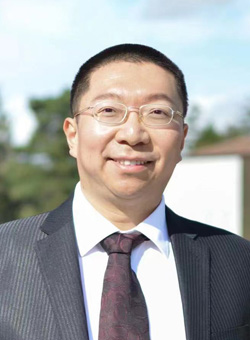
    This keynote examines the transformative influence of artificial intelligence and big data on modern healthcare systems. It brings together researchers, practitioners, and industry leaders to explore breakthroughs in AI-powered diagnostics, predictive analytics, and personalized medicine. The session also delves into big data strategies for managing large-scale healthcare datasets, strengthening clinical decision-making, and streamlining operational workflows. Core themes include an overview of cutting-edge AI methodologies, the role of AI in advancing big data analytics, and practical insights into overcoming challenges in AI adoption.

    Dr. Alex Kuo holds a PhD from the Department of Computer Science, University of Nottingham, UK. He is a full time professor at the School of Health Information Science, University of Victoria (UVic). He was a visiting scholar at the Department of Computer Science, Politecnico di Milano, Italy (2023), the Center for Expanded Data Annotation and Retrieval (CEDAR), School of Medicine, Stanford University, USA (2016), and the Electronic Commerce Resource Centre (ECRC), Georgia Tech (2000). Now, he is the chair of Special Interest Group on Big Data for Healthcare, Medicine and Biology at IEEE Technical Committee on Big Data. With over 20 years of programming and data analysis practical as well as research experience, he has over 170 peer-reviewed publications. His research interests include Cloud Computing & Big Data application to healthcare, health data interoperability, health database & data warehousing, data mining application in healthcare, e-health and clinical decision support system.

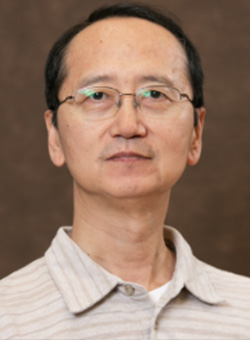
  • Dr. Hung Keung, Professor

    Department of Cultural and Creative Arts, The Education University of Hong Kong, Hong Kong Special Administrative Region, China

    Topic: Embodied Heritage in the Digital Age: Reimagining the Transmission of Tai Chi through Visual Semiotics, VR Technology, and Data-Driven Pedagogy

    View More

    2026 12th International Conference on Social Sciences and Humanities

    May 21-23, 2026
    In the current educational landscape, the preservation and transmission of Intangible Cultural Heritage (ICH) face a critical inflection point. Traditional somatic practices, such as Tai Chi, rely heavily on "embodied knowledge"—a depth of physical and philosophical understanding that is becoming increasingly difficult to transmit to a digital-native generation through conventional master-disciple models. This keynote address proposes a pioneering framework for the digital evolution of cultural heritage, drawing upon the ongoing research project "Tai Chi and Chinese Martial Arts VR 2.0." The core of this research posits that technology should not merely record tradition but must actively restructure how "embodied knowledge" is visualized and internalized. I will introduce an interdisciplinary approach that converges Visual Semiotics, Generative AI, and Virtual Reality (VR). A central innovation of this study is the development of "Novel Typefaces: Tai Chi Compound Characters" (複合字). By applying semiotic principles to typographic design, we have created a visual system that encodes the spatial dynamics of martial arts directly into text, effectively bridging the cognitive gap between abstract theory and physical movement. Crucially, this presentation moves beyond theoretical modeling to present empirical findings from recent school-based fieldwork. Our research team implemented a dual-track curriculum in local schools, teaching students to navigate Tai Chi through both traditional instruction and our "Novel Typefaces." I will present quantitative and qualitative data collected from these classroom interventions, analyzing how these semiotic tools impact student learning curves, form retention, and cultural engagement. The findings indicate that when students deconstruct Tai Chi through these innovative compound characters before engaging with the Immersive VR Training Program, their acquisition of the forms is significantly accelerated. By synthesizing the theoretical lens of "Embodied Heritage" with rigorous school-based data, this address demonstrates how the fusion of artistic typography and advanced VR/AI technology can create a scalable, verifiable pedagogy—ensuring that the ancient wisdom of Tai Chi remains not only preserved but pedagogically vital for future generations.

    Dr. Hung Keung is a Professor in the Department of Cultural and Creative Arts of The Education University of Hong Kong. Professor Hung Keung is an internationally renowned digital media artist, researcher, scholar and designer. He graduated from the Swire School of Design at The Hong Kong Polytechnic University and the Department of Fine Arts at The Chinese University of Hong Kong. Later, he pursued further studies in film and video at Central Saint Martins College of Art and Design, University of the Arts London, where he obtained a master's degree. He then earned a doctoral degree from the Planetary Collegium, Zurich University of the Arts, Zurich, Switzerland and the University of Plymouth. Professor Hung Keung has served as a visiting scholar, artist, and guest lecturer at various international universities, including the Zentrum für Kunst und Medientechnologie, Germany (2001-2002), Kolding Design College, Denmark (2002), University of California Berkeley, USA (2006), the University of Oregon (2011), the Australian National University (2015), Western University, Canada (2019), and the University of Hawai'i (2022). He has been engaged in cultural and academic exchanges and promotion activities, involving research, creation, and exhibitions in different fields and interdisciplinary media art.

  • Dr. Pravesh Kumar Srivastava, Professor

    Department of Ancient Indian History, Culture & Archaeology, Banaras Hindu University (BHU), Varanasi, India

    Topic: Rewriting Asia’s Ancient Past: Indian and Chinese Civilizations Beyond Colonial Historiography

    View More

    2026 12th International Conference on Social Sciences and Humanities

    May 21-23, 2026

    Asia’s great civilisations—particularly India and China—possess some of the world’s oldest and most sophisticated intellectual, religious, and cultural traditions. Yet the way these civilisations are studied, represented, and taught in modern academia has been deeply shaped by European colonial scholarship of the nineteenth and early twentieth centuries. Colonial Indology and Sinology did not merely interpret Asia; they actively re-constructed it through Western conceptual categories, philological priorities, and imperial political interests. As a result, many indigenous historical frameworks, knowledge systems, and civilisational self-understandings were marginalised or distorted. This keynote proposes a critical re-examination of how Asia’s ancient past was written under colonial conditions and how India and China can now reclaim their historical narratives on indigenous and intercultural foundations. Drawing upon Indian historiographical traditions, Sanskritic sources, Buddhist transmission networks, and the long history of India–China intellectual exchange, the paper argues that Asia was not a passive object of Western knowledge, but a self-generating world of ideas, institutions, and civilisational logics. By comparing the colonial construction of Indian and Chinese histories with pre-modern Asian modes of recording, transmitting, and interpreting the past, the lecture highlights the need for a new Asian-centred historiography. Such a framework does not reject global scholarship, but re-anchors it in Asian epistemologies, languages, and cultural memories. In an era when Asia is reasserting its intellectual and geopolitical presence, rewriting its own ancient history is not merely an academic exercise—it is a civilisational necessity. India and China, as two of the world’s oldest living civilisations, have a shared responsibility to lead this historiographical renewal.

    Dr. Pravesh Kumar Srivastava is a Senior Professor of Ancient Indian History, Culture and Archaeology at Banaras Hindu University, India. His scholarship focuses on Indian historiography, colonial Indology, religious history, and the reinterpretation of India’s ancient past from indigenous intellectual traditions. He has published widely on the impact of European scholarship on Indian history and is currently engaged in international projects examining the global construction of Asian civilizations.

  • Dr. Martin Zhao, Associate Professor

    Computer Science Department, Mercer University, Macon, USA

    Topic: CharActER: A Proposed AI System for Teaching Chinese the WRITE Way

    View More

    2026 10th International Conference on Education and Information Technologies

    May 21-23, 2026

    Despite increasing global interest in learning Chinese, the character writing system presents a major barrier to both heritage and non-heritage learners due to its visual complexity, symbolic design, and lack of phonetic transparency. Most AI and language-learning tools focus on conventional speech-based methods, bypassing the structural richness of Chinese script. A teaching app CharActER is proposed to use Chinese the WRITE Way approach to teach Chinese through telling “stories” about the design of the characters. It follows an approach like the traditional Expert System and utilizes LLMs (such as ChatGPT) to generate personalized “explanations” to users. This system aims to bridge visual form, semantic meaning, and historical structure through storytelling as embedded in ancient Chinese scripts. A knowledge base, missing in chat-oriented AI systems, will be added to annotate essential stroke codification, stroke-pattern and etymology-inspired narratives on top of traditional databases for Chinese characters. Strategies of teaching characters utilize the “knife” and “lens” tools to analyze meaning (and/or sound) carrying patterns in a story-telling style. Initial efforts focused on using CHN123, an introductory course with about 123 characters divided into two dozen lessons of 5 characters each. Stories regarding strokes or other meaning carrying modules are annotated using a JSON format. Composition-based inferencing rules are employed to generate prompts to ChatGPT and responses in specified formats are used to generate animated visuals to enhance story-telling effects. Rooms for CHN123, and other courses (such as Learn Chinese with Mulan) and game-like exercises (such as Char Slicer, Calendar/Planner, Map) will be added. Moving beyond superficial memorization, this approach enables learners to internalize the underlying logic and interconnectedness of Chinese characters. The implications extend beyond mere efficiency; “Chinese the WRITE Way” promises to cultivate a deeper, more intuitive grasp of the Chinese language, fostering true linguistic proficiency and cultural understanding in an increasingly interconnected world.

    Dr. Martin Zhao is an Associate Professor of Computer Science at Mercer University in Macon, GA, USA. His interests are mainly in applied aspects of computing, including software engineering, data modeling and analytics, machine learning and AI applications. Dr. Zhao’s R&D projects have been funded by external sources including AFRL and NSF. Recently, he worked with a team of experts in anthropology, biology, biomedical and data sciences on a collaborative project supported by NSF grants and developed CSViewer for Analysts. This innovative computer application provides researchers with user-friendly data exploration and analytics tools backed by an integrated database of the Cayo Santiago Rhesus Colony, maintained on the “Monkey Island” off Puerto Rico for 87 years. Since 2020, this series of studies have produced a dozen publications (https://www.csviewerforanalysts.org), as well as presentations and workshops at AABA conferences (AABA 2023 through 2025). Another ongoing project focuses on developing a teaching app designed to address the difficulty of learning Chinese characters. Using the “Chinese the WRITE Way” approach, the app teaches characters through storytelling about their structure and history. It combines a knowledge base with LLMs (e.g., ChatGPT) to generate personalized explanations.

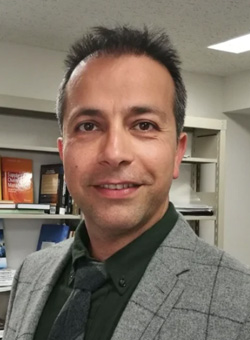
  • Dr. Vojko Potocan, Professor

    Department of Management, Faculty of Economics and Business (FEB), University of Maribor, Maribor, Slovenia

    Topic: Redesigning Problem-Based Learning: Innovativeness and Artificial Intelligence

    View More

    2026 10th International Conference on Education and Information Technologies

    May 21-23, 2026
    Background: The pervasive integration of artificial intelligence (AI) and digitalization significantly alters problem-based learning (PBL) in higher education, raising concerns about its impact on critical thinking and fundamental learning outcomes. Purpose: This article investigates AI's influence on PBL content and evaluates a modified PBL model designed to optimize AI's utility while safeguarding core pedagogical objectives like innovativeness and individual responsibility of participants. Methodology: Grounded in educational theory, we first analyzed existing AI support in Higher Education Institutions (HEIs) through PBL using a series of workshops. This leads to the development of a modified PBL framework in which initial solution ideation occurs without AI, followed by AI use during the implementation phase. A subsequent survey of workshop participants then assessed the effects of this model. Results: Initial workshop findings indicated that extensive use of AI in PBL can diminish critical thinking, in-depth learning, and individual responsibility. In contrast, the modified PBL approach strengthened brainstorming, enhanced understanding of AI's possibilities and limitations, and fostered ethicality and academic integrity. Solutions developed within this model were simpler, but also more diverse and innovative than those generated solely with AI. Conclusion: Structuring AI integration in PBL is crucial to improving core educational objectives. The modified model effectively promotes innovative education and responsible AI use by segmenting AI's role. Theoretical implications underscore the need for diversified assessment and evolving PBL goals, emphasizing self-direction and critical evaluation of AI in practice.

    Dr. Vojko Potocan is a Full Professor of Management and Organization at the Faculty of Economics and Business (FEB), University of Maribor (Slovenia). He earned his doctoral degree from FEB Maribor. He teaches at three universities in Slovenia and at three universities abroad (Germany, Croatia, and Poland). He is also the head of the doctoral studies in Management and Organization at FEB. He has participated in various international scientific conferences and conducted several study visits abroad. He has published over 500 texts (over 350 in foreign languages in 45 countries), including 15 books with leading publishers Pearson, IGI, Palgrave Macmillan, and Routledge, edited proceedings, and textbooks. Dr. Potocan has published over 80 articles in peer-reviewed scholarly journals.

conference123 is an international academic communication platform, that facilitates high-level symposiums and fostering innovation. It serves as a platform for academic conferences, bringing together experts and scholars worldwide to exchange research findings.

Contact Us

Copyright © 2015- Shanghai Laixi Conference Services Co., Ltd. All rights reserved. 沪ICP备16000615号-1

沪公网安备 31010702005022号